Brain Balance
Booth Number: 46732
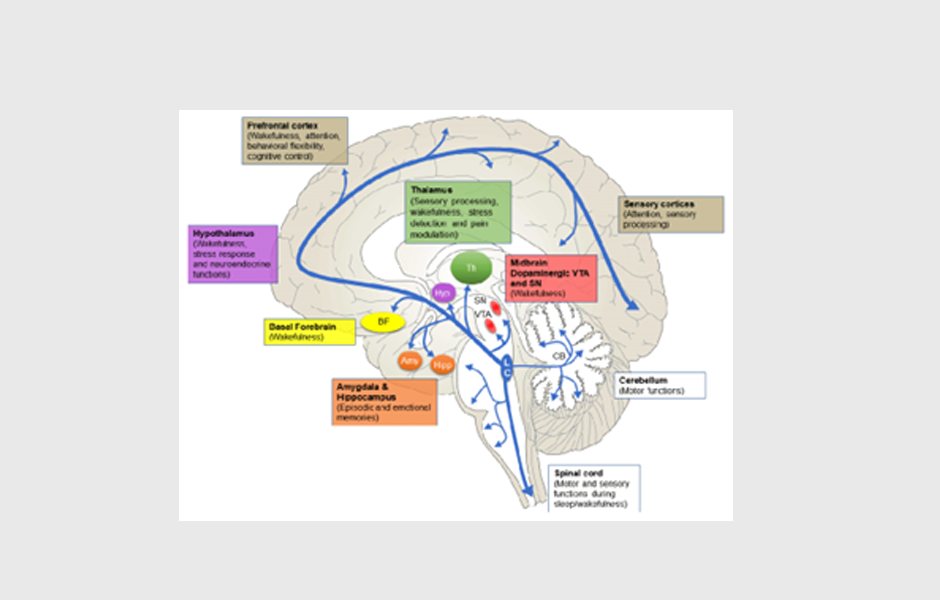
Brain Balance
A balanced brain is when most areas of the brain have symmetrical, even, and full blood flow. According to a therapist, you can also test how well your right hemisphere is working by asking others how connected they feel to you and how connected you feel to them. The brain’s balance system uses information from the eyes, muscles, and inner ear’s gyroscope to interpret how the body should move to stay upright and balanced.
Brain health is more than just the absence of disease, and it includes the ability to perform mental processes like learning, judging, using language, and remembering. It also includes resilience and a sense of well-being that allows people to cope with stress, work productively, and contribute to their communities.
Six Activities That Help With Brain Balancing:
1. Exercise regularly.
Exercise has many known benefits, and regular physical activity also benefits the brain. Multiple research studies show that physical active people are less likely to experience a decline in their mental function and have a lower risk of developing Alzheimer’s disease.
Aim to exercise several times per week for 30 to 60 minutes. You can walk, swim, play tennis or do any other moderate aerobic activity that increases your heart rate.
2. Get plenty of sleep.
Sleep plays an important role in your brain health. Some theories state that sleep helps clear abnormal proteins in your brain and consolidates memories, which boosts your overall memory and brain health.
Aim for seven to eight consecutive hours of sleep per night, not fragmented sleep of two- or three-hour increments. Consecutive sleep gives your brain the time to consolidate and store your memories effectively.
3. Enjoy a Mediterranean diet.
Your diet plays a large role in your brain health. Consider following a Mediterranean diet, which emphasizes plant-based foods, whole grains, fish and healthy fats, such as olive oil. It incorporates less red meat and salt than a typical American diet.
Studies show people who closely follow a Mediterranean diet are less likely to have Alzheimer’s disease than people who don’t follow the diet. Further research is needed to determine which parts of the diet help brain function the most. However, we know that omega fatty acids found in extra-virgin olive oil and other healthy fats are vital for your cells to function correctly, appear to decrease your risk of coronary artery disease, increase mental focus and slow cognitive decline in older adults.
4. Stay mentally active.
Your brain is similar to a muscle — you need to use it or lose it. There are many things that you can do to keep your brain in shape, such as doing crossword puzzles or Sudoku, reading, playing cards or putting together a jigsaw puzzle. Consider it cross-training your brain. Incorporate different types of activities to increase the effectiveness.
Most health care teams don’t recommend the paid brain-training programs available. These programs often overpromise results or focus on memorization skills that aren’t useful in everyday life. Your brain can get just as good of a workout through reading or challenging yourself with puzzles. Finally, don’t watch too much TV, as that is a passive activity and does little to stimulate your brain.
5. Remain socially involved.
Social interaction helps ward off depression and stress, which can contribute to memory loss. Look for opportunities to connect with loved ones, friends and others, especially if you live alone. Research links solitary confinement to brain atrophy, so remaining socially active may have the opposite effect and strengthen the health of your brain.
6. Keep your blood vessels healthy.
The health of your arteries and veins is important to your heart health but it is also critical for brain health. Get your blood pressure, blood sugar and cholesterol checked regularly and take steps to keep your numbers within a normal range. Tobacco and alcohol use are impactful on brain health as well, so only drink alcohol in moderation and don’t smoke. Moderate drinking is defined as up to one drink per day for women and up to two drinks per day for men.
Live Sessions
Webinar:
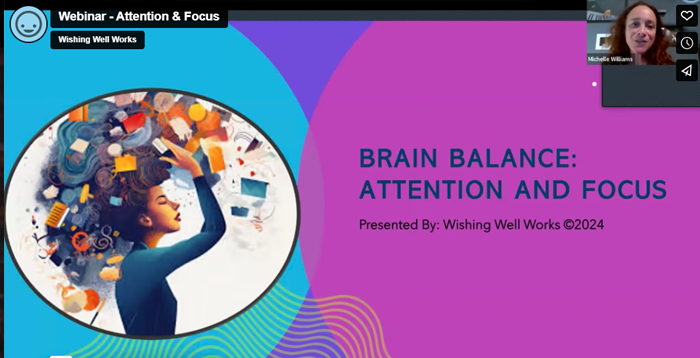
Attention & Focus
Session Info:
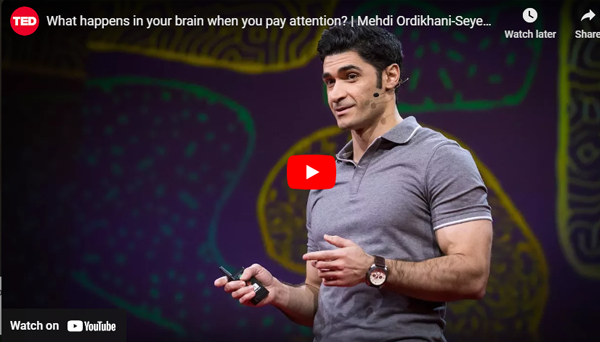
Join us for an informative session that will help you learn more about how the brain focuses its attention. We will do some fun attention activities to help you assess your own attention capabilities. If you or a loved one suffers from ADHD or other difficulties in focusing, this webinar is sure to provide some collective insight.
Session Number:46708
About Our Speaker:

Michelle Williams
Health Guru
Michelle Williams is the owner of Wishing Well Works, a corporate wellness company local to Tampa Bay. She has a graduate degree in human behaviors and has been working as a health educator for almost 20 years and has a team of GURUs that offer classes to businesses all over the Tampa Bay and New England areas.
Video Resources

Downloadable Resources
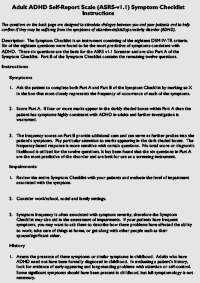
ADHD Questionnaire
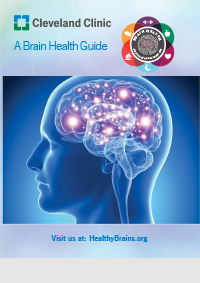
Brain Health Guide

Imagine: Your Brain Health Guide
Note: This should have a *Personal Use Only – if concerned speak with a doctor about results- not intended to be used as a diagnostic tool.